Cedar Rapids neighbors voice concerns over planned southwest data center
Residents near the proposed third data center site cite worries about traffic and construction while the mayor points to long-standing zoning.
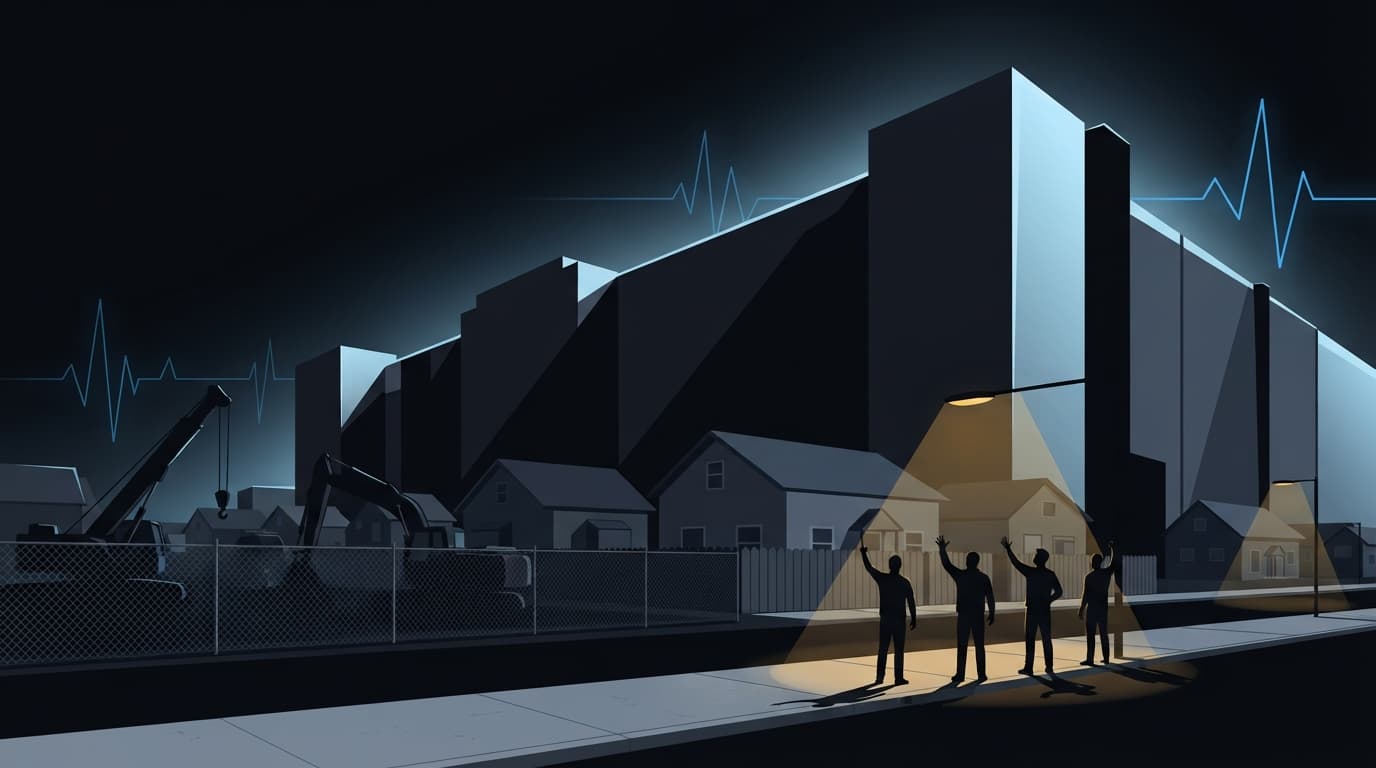
Neighbors in southwest Cedar Rapids are raising concerns about a planned third data center on the city's southwest side.
Nearby resident Harold Moore said, "We don’t like the idea of a lot more traffic." Resident Mike Rogers added, "I’m still not sure what to think about it. I know there will be some construction for quite a few years here and more traffic and I’m not thrilled about that part of it."
The project would sit on property zoned for light industrial use since the early 2000s, Mayor Tiffany O’Donnell said. "One of the reasons zoning exists is for that full transparency so people who might be considering moving there or even live there are aware of what is allowed," she said.
Cedar Rapids officials confirmed the data center plans on July 8, 2026. The city is not providing tax incentives for this project, which is expected to generate property tax revenue, according to city statements reported by KCRG.
City planning decisions could be shaped by public input from Linn County residents living near the site.
Sources
This story was researched, drafted, and fact-checked with AI assistance, then published automatically after passing TheCRPulse source, safety, visual, and editorial-readiness controls. Read our Editorial Standards & AI Disclosure. Spot an error? Request a correction.
Iowa Senate race draws national attention after Obama endorsement
The former president's basketball-themed video for Democrat Josh Turek elevates the open-seat contest against Republican Ashley Hinson.
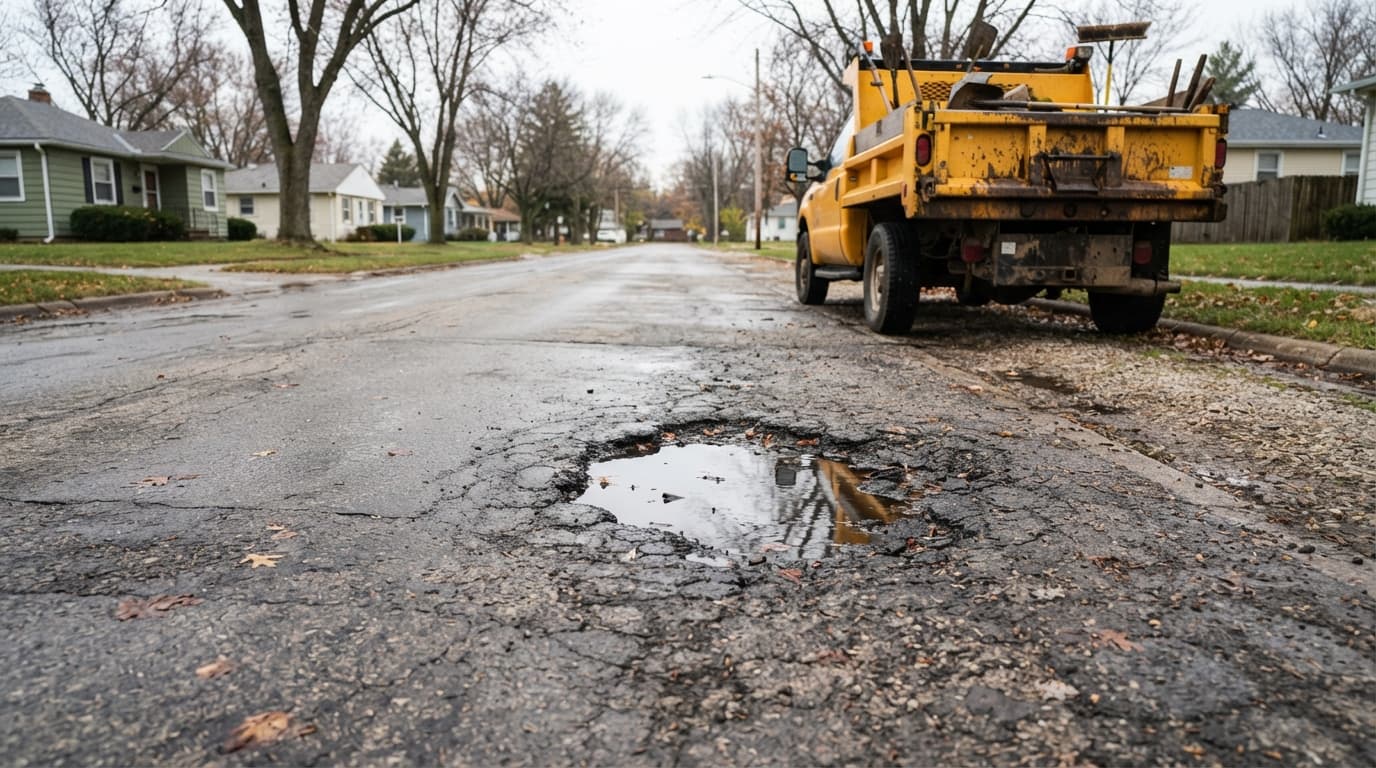
How Cedar Rapids drivers can report potholes as spring thaw creates road hazards
With city crews running three shifts to manage daily repair requests, local officials outline where and how to submit road damage.
12th Avenue SE residents grapple with potholes ahead of summer rebuild
Temporary city patches are failing to hold up against spring freezes, leaving drivers frustrated until a voter-supported reconstruction project begins.
Libertarian ticket blocked from November ballot after court rejects challenge
The legal fight over a missing affidavit ends with a judge's order, narrowing the governor's race to two major-party candidates unless an appeal is filed.